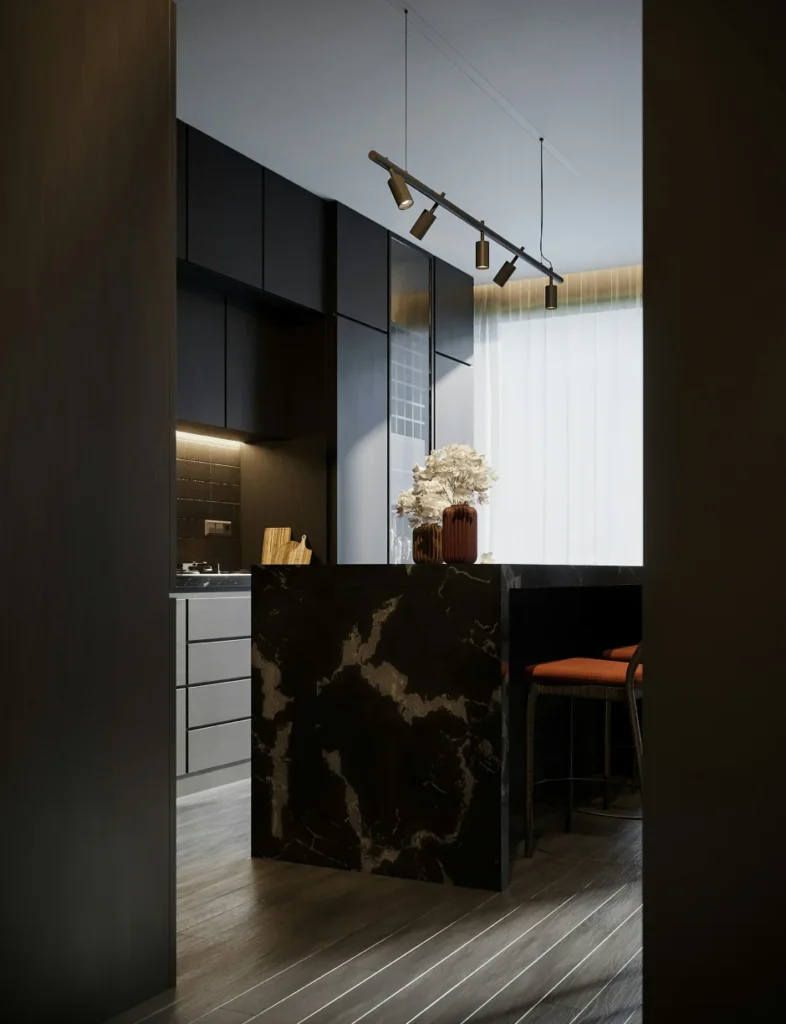
Discover how thoughtful lighting design can transform your space—balancing function, mood, and visual depth for a refined interior.
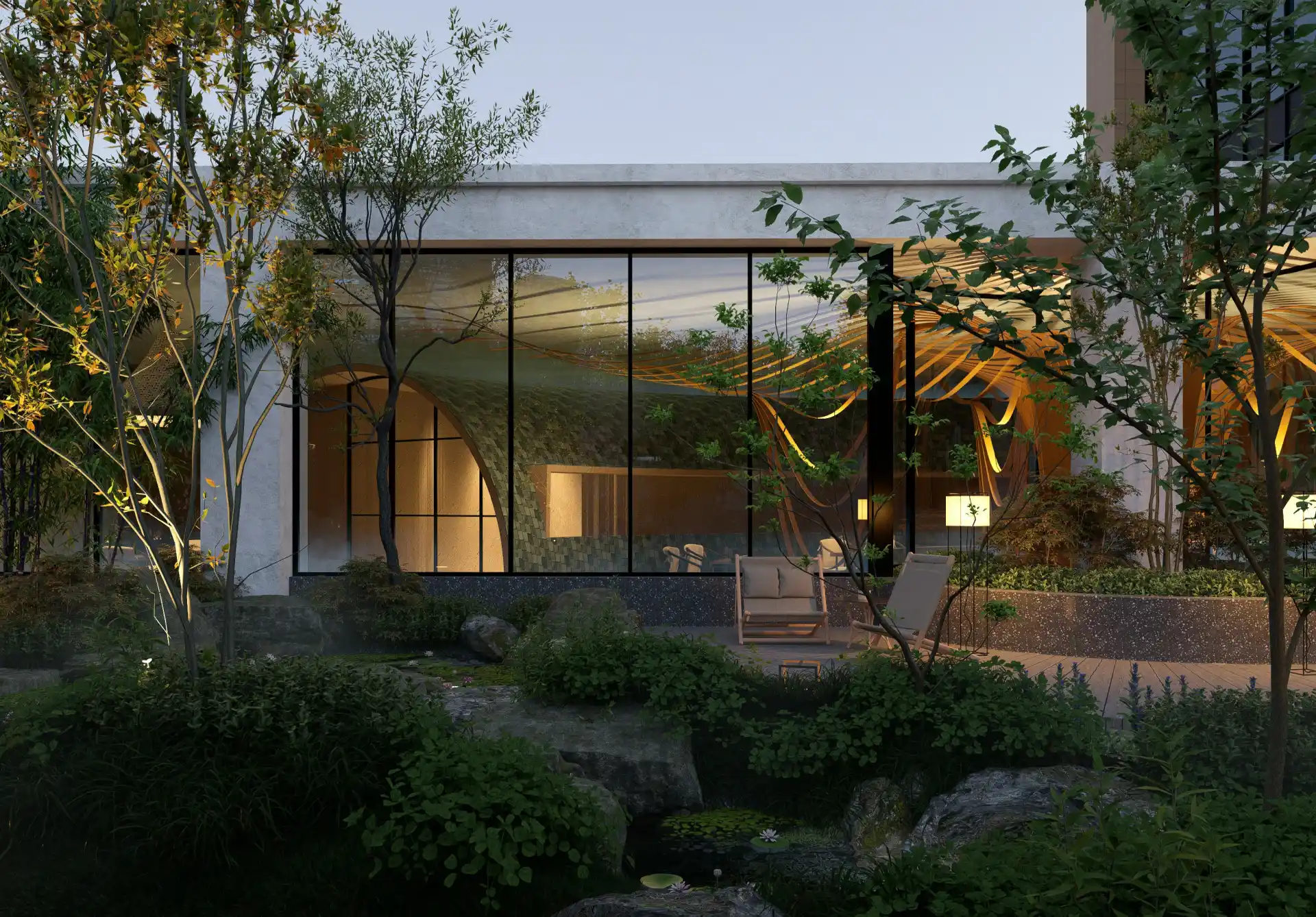
Lighting is one of the most important elements in interior design, shaping both the functionality and atmosphere of a space. When used thoughtfully, it enhances textures, defines areas, and creates a sense of balance that makes a home feel complete.
Good lighting doesn’t just illuminate a space—it defines how it is experienced, bringing warmth, depth, and clarity to everyday living.
— Line & Arches Studio
Maximizing Sunlight with Window Treatments
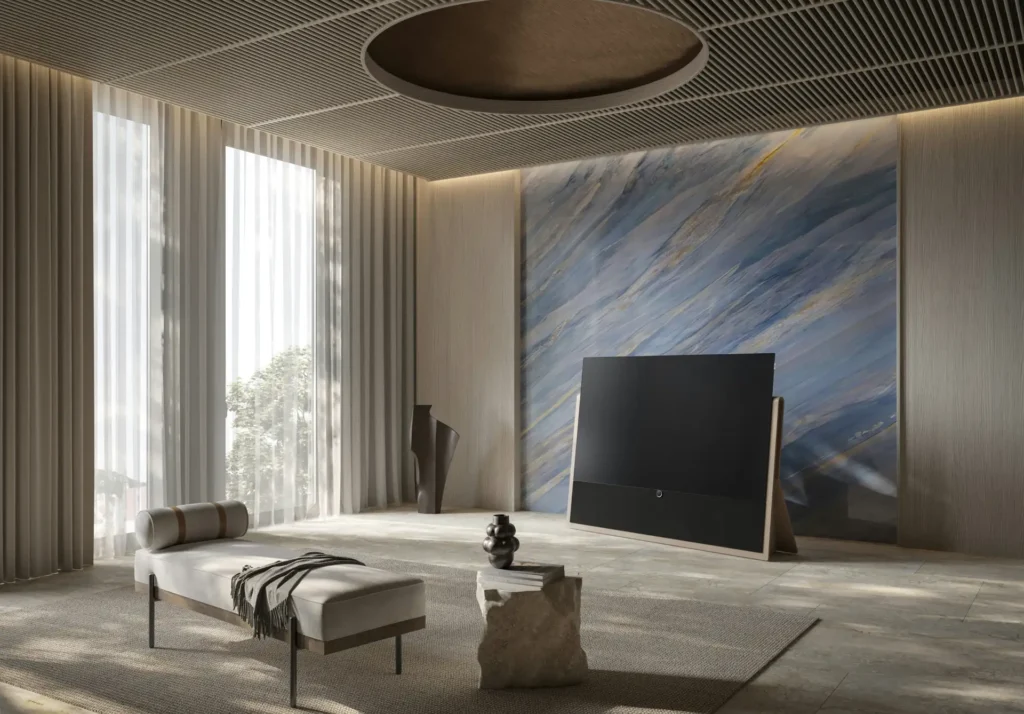
Natural light is the foundation of any well-designed space. Using sheer curtains, minimal window coverings, and reflective surfaces allows daylight to flow freely, making interiors feel brighter and more open.
Ambient, Task, and Accent Lighting Explained
A balanced lighting plan includes ambient lighting for overall brightness, task lighting for specific activities, and accent lighting to highlight features. Together, they create depth and flexibility within a space.
Different lighting types serve different purposes—from ceiling lights for general illumination to focused lights for work areas. Choosing the right combination ensures both comfort and usability.
For science, music, sport, etc, Europe uses the same vocabulary. The languages only differ in their grammar, their pronunciation and their most common words.
Everyone realizes why a new common language would be desirable: one could refuse to pay expensive translators. To achieve this, it would be necessary to have uniform grammar, pronunciation and more common words. If several languages coalesce, the grammar of the resulting language is more simple.
Types of Lighting
Different lighting types serve different purposes—from ceiling lights for general illumination to focused lights for work areas. Choosing the right combination ensures both comfort and usability.
Choosing the Right Fixtures
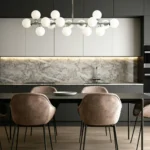
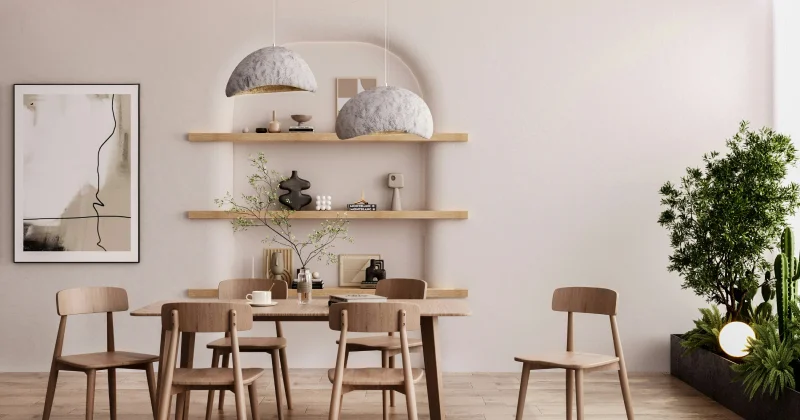
Lighting fixtures should complement the overall design of your home. Clean, simple forms often work best, adding character without overwhelming the space.
Maximizing Natural Light
Thoughtful layouts, light-colored surfaces, and strategic placement of mirrors help amplify natural light, making rooms feel larger and more connected.
Smart Lighting Solutions
Modern lighting systems allow you to adjust brightness and tone based on your needs, offering both convenience and energy efficiency.
Lighting as Art
Lighting can also act as a design feature. A well-chosen fixture or subtle glow can become a focal point, adding depth and visual interest to the space.
A well-lit home is not just functional—it feels balanced, calm, and inviting. By combining natural and artificial lighting thoughtfully, you can create spaces that are both practical and visually refined.
A well-lit home goes beyond basic functionality—it plays a key role in shaping how a space feels and is experienced every day. Thoughtful lighting creates a sense of balance, enhances comfort, and brings out the true character of materials, textures, and forms within the space. When light is layered correctly, it not only improves visibility but also adds depth, warmth, and a subtle sense of sophistication that makes interiors feel more refined and complete.
By carefully combining natural and artificial lighting, you can design spaces that adapt to different needs throughout the day. Natural light brings openness and energy, while well-placed artificial lighting ensures consistency and control after sunset. This balance allows each area of the home to feel both practical and inviting—resulting in an environment that is calm, functional, and effortlessly aligned with everyday living.
Be the first to read my stories
Designing a conscious home? Let’s create it together →